

Invasive Species Management Bylaw Information
On March 3, 2026, Council adopted a new Invasive Species Management Bylaw. Invasive species are plants or animals that don’t naturally belong in our area and cause harm to people, the environment, or the local economy. The goal of the bylaw is to prevent, control, and reduce the spread of invasive species within the District that threaten ecosystems, infrastructure, agriculture, and public safety. This page provides more information about the new bylaw for the public.
Previously, the Nuisance Bylaw allowed staff to require property owners to remove problem vegetation such as brush or noxious weeds if it’s unsafe or unsightly. However, the bylaw does not mention invasive species, it only applies to plants (and a few insects), not broader invasive threats, and it does not allow the District to regulate or stop the sale of invasive plants or seeds.
The new Invasive Species Management Bylaw gives the District clearer, stronger tools to:
Require the removal of harmful invasive species on private land
Ban the sale of invasive plants and seeds within the District
Protect people, businesses, and the environment from long‑term harm.
Several high‑risk invasive plants have been found within the District of Lillooet. In many cases, landowners acted voluntarily once informed. However, without a bylaw, the District has no clear authority if a landowner refuses or if urgent action is required.
Why a New Bylaw?
Why are Invasive Species a Problem?
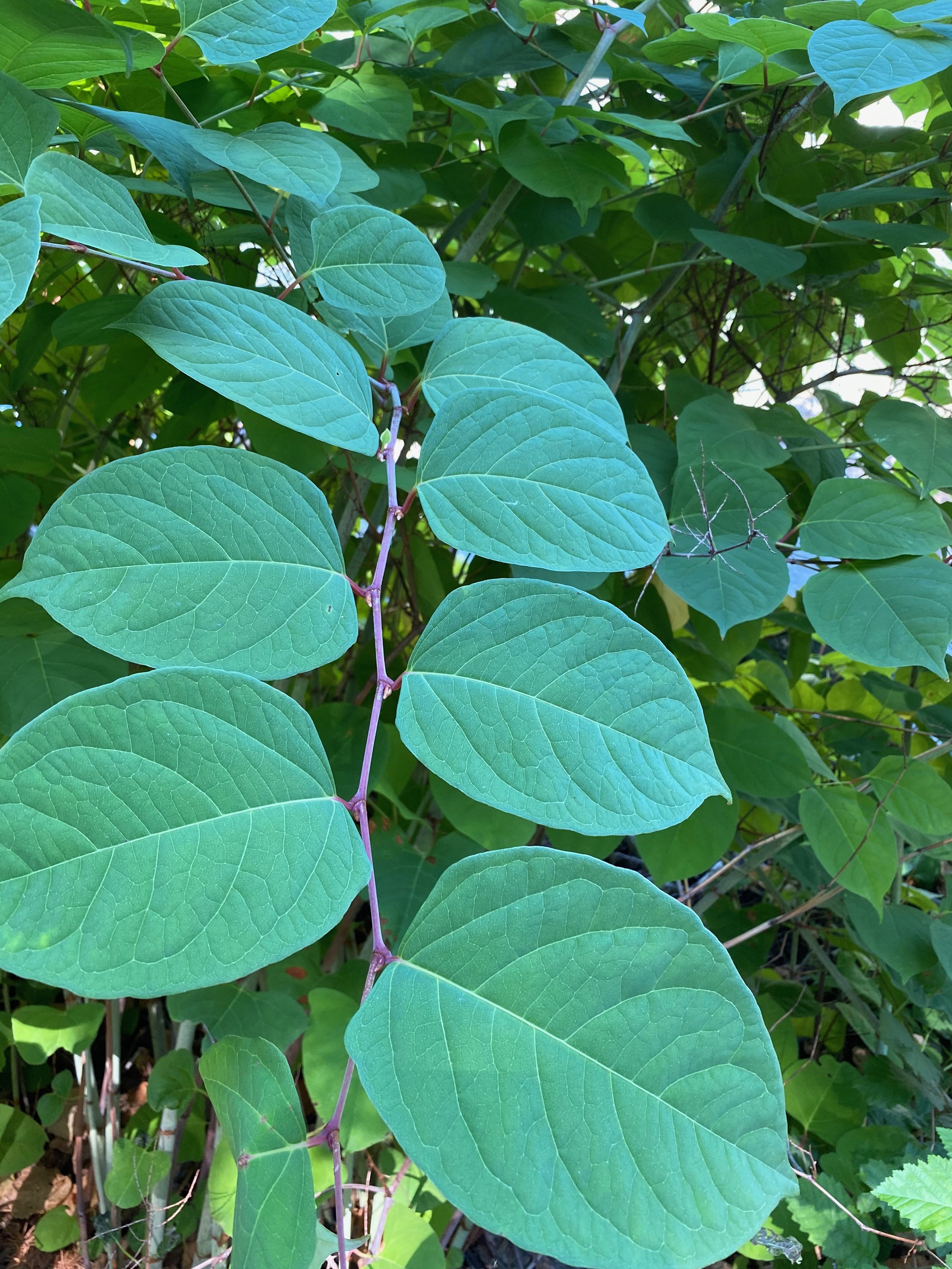
Invasive species can cause serious and lasting damage. They can harm people and pets. For example, wild parsnip, found locally, causes severe skin burns when touched and exposed to sunlight. They damage ecosystems and wildlife. Lillooet has unique ecosystems and species at risk. For example, Knotweed along shorelines increases erosion and damages salmon spawning habitat. They can also threaten food security and the economy. Threats include invasive pests like the Spotted Lanternfly, which could affect fruit, grapes, and other crops.
The risk of invasive species spreading is growing because of continued sale of invasive plants, people bringing plants in from outside the region, increased tourism and outdoor recreation, and easier access to backcountry areas.
Partnership with the Lillooet Regional Invasive Species Society (LRISS)
District staff will work with LRISS staff who will be involved by educating landowners about invasive species and their impacts, helping identify species and recommending treatment options, connecting people to experts and provincial or federal agencies when needed, and supporting landowners in managing infestations voluntarily whenever possible.
The main goal is to resolve issues through education and voluntary cooperation, using enforcement only when necessary.
All invasive species concerns will be handled through the existing complaint‑based process. The District retains full discretion over when and how the bylaw is applied. When a report is received, the District’s Bylaw Officer will review it and share the details (without personal information) with LRISS. LRISS staff will help assess the issue, and determine priority level based on risk and impact, and work directly with the property owner to provide education, advice, and treatment options.
Low‑priority cases will focus on education only. Medium‑priority cases may involve enforcement if risks are significant. High‑priority cases involve species that pose serious health, environmental, or economic risks and may require prompt enforcement if voluntary action fails.
Enforcement is always a last resort. When required, the Bylaw Officer follows standard bylaw enforcement procedures, which may include warnings, fines, or requiring removal of invasive species. The District may arrange removal work if a landowner does not comply.
Privacy will be protected throughout the process—personal contact information will not be shared without permission. Entry onto private property generally will require at least 48 hours’ notice.
Overall, enforcement will prioritize education and collaboration while maintaining the ability to act quickly when invasive species pose serious threats to the community or environment.
How will the bylaw be enforced?
The new Invasive Species Management Bylaw has been adopted with the intent to:
Protect people, pets, and ecosystems
Support local agriculture and livelihoods
Give the District clear authority to prevent and manage harmful invasive species
Stop the sale of invasive plants and seeds, which is not covered by any current law.
The bylaw provides clarity, consistency, and stronger protection against a growing environmental and economic threat.
Questions about the bylaw can be directed to bylawofficer@lillooet.ca.
Summary
Resources
Lillooet Regional Invasive Species Society (LRISS)
LRISS was established in 2011 with the intent to teach people about invasive species as well as remove invasives from the region. LRISS is a non-profit working collaboratively with community partners.
Digital Resources and Links
For Planting and Landscaping:
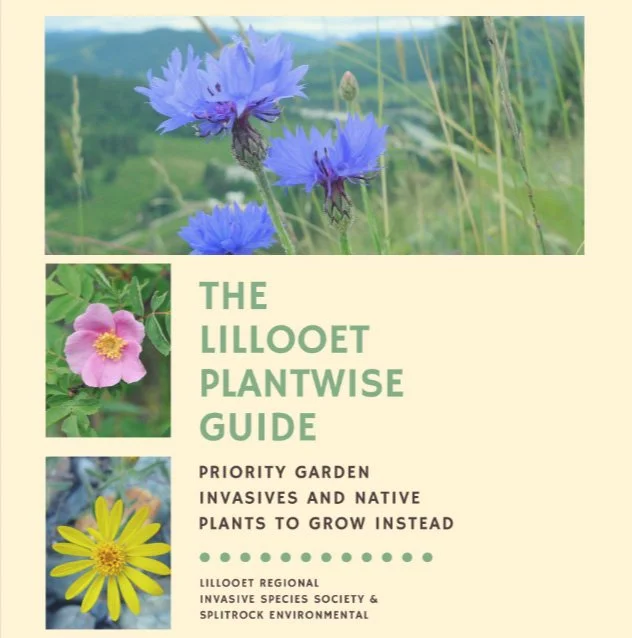
The Lillooet Plantwise Guide, an eBook created by LRISS in partnership with Splitrock Environmental, is intended to provide gardeners and landscapers in the Lillooet Region with information on how to identify the top invasive garden plants and offers native alternatives to "Grow Instead".
For Field Identification:
For Treatment: